Gallery
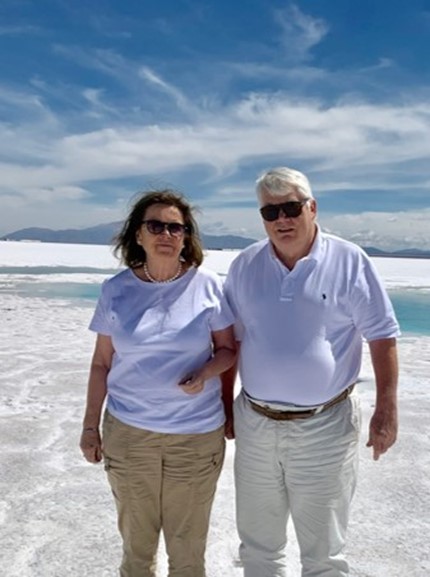
Salt flats are found all over the world like this one from Argentina. The salt originates from lakes in deserts or mountain lakes with no outlet where the water is completely evaporated by the sun.
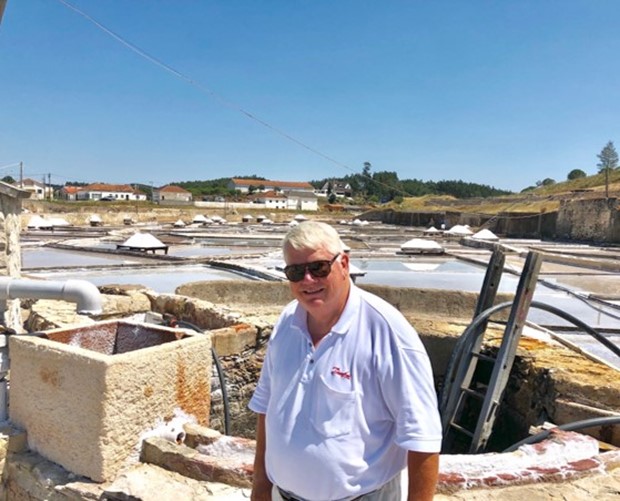
Traditionally salt is made from shallow ponds where seawater is evaporating. The salt is daily scraped up and dried on tables. This picture is from Portugal.
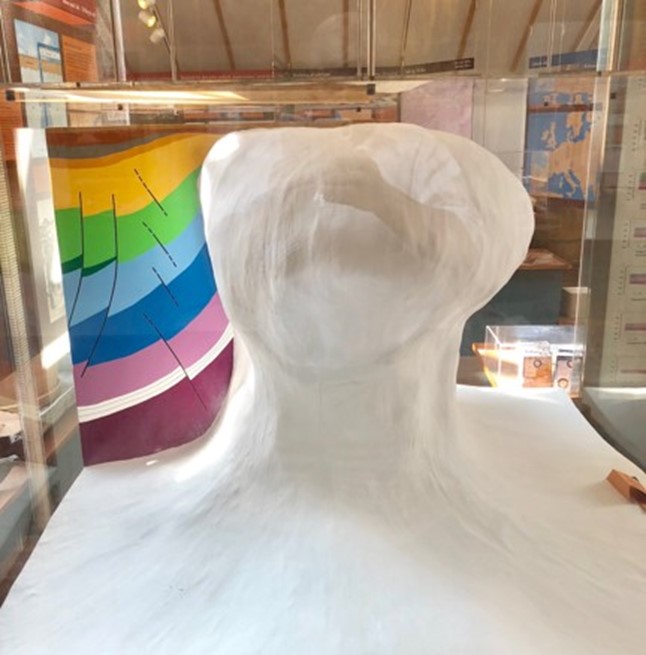
Mushroom shaped salt diapir. Over millions of years, soil and sand have covered the salt flats. However, the density of salt is much less than soil and sand and the salt is therefore rising to the surface just like a cork stopper, which means that in some locations, the salt is only a few hundred meters beneath the surface.
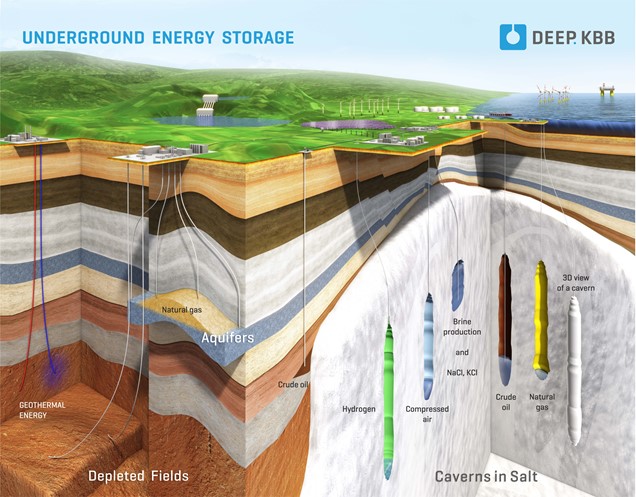
Today these very large salt diapirs can be accessed, and salt can be extracted by pumping water into the diapir and dissolving the salt which then can be extracted and thereby form tremendously large caverns of the size of several Eiffel towers. These caverns can be used for storage of enormous quantities of gasses and chemicals because the salt formations are completely tight (copyright DEEP.KBB GmbH).
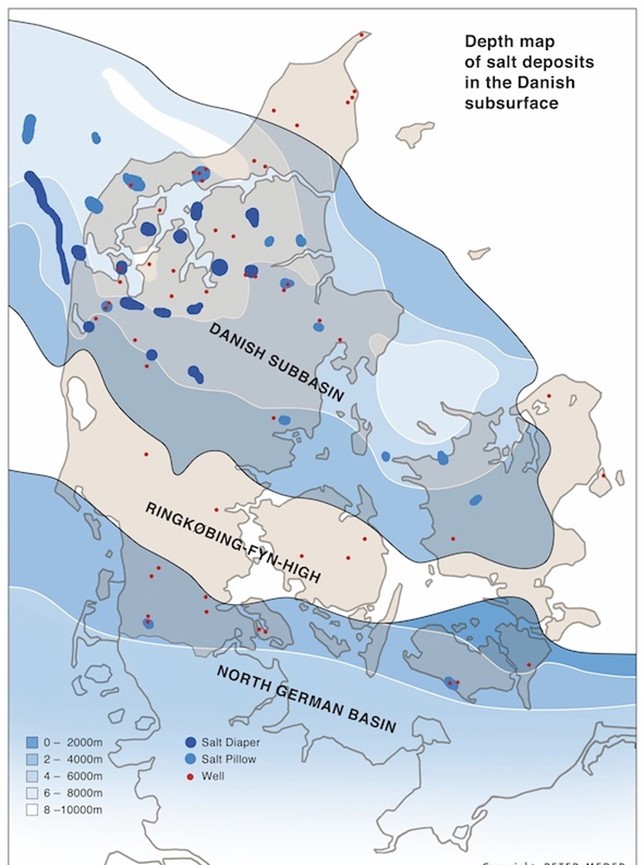
This map of salt deposits in the Danish subsurface shows where salt diapirs can be found (dark black spots)
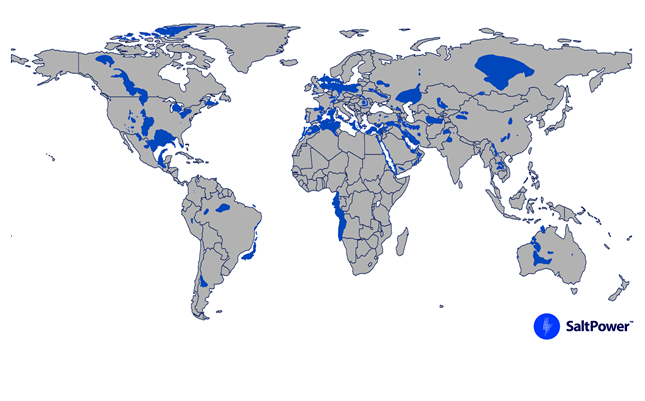
Known salt deposits, there may be many more.
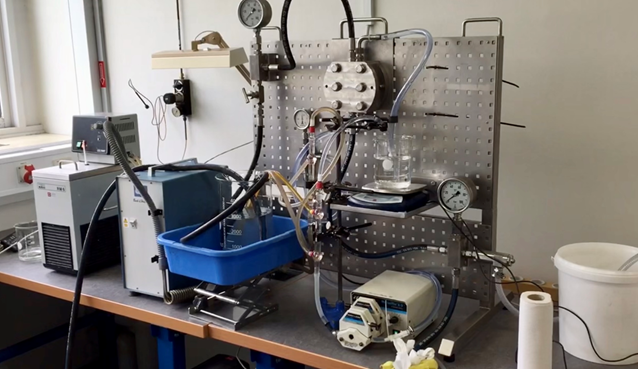
My first laboratory experiment with osmotic energy.
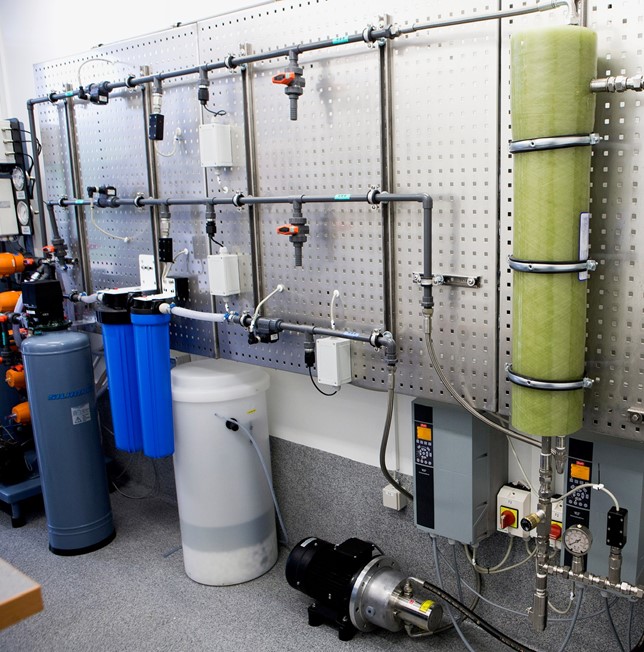
My second prototype demonstrating osmotic energy generation.
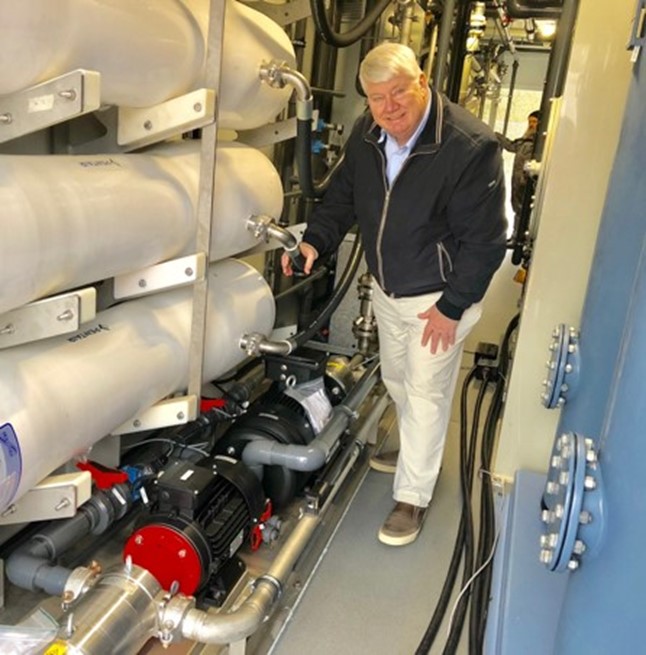
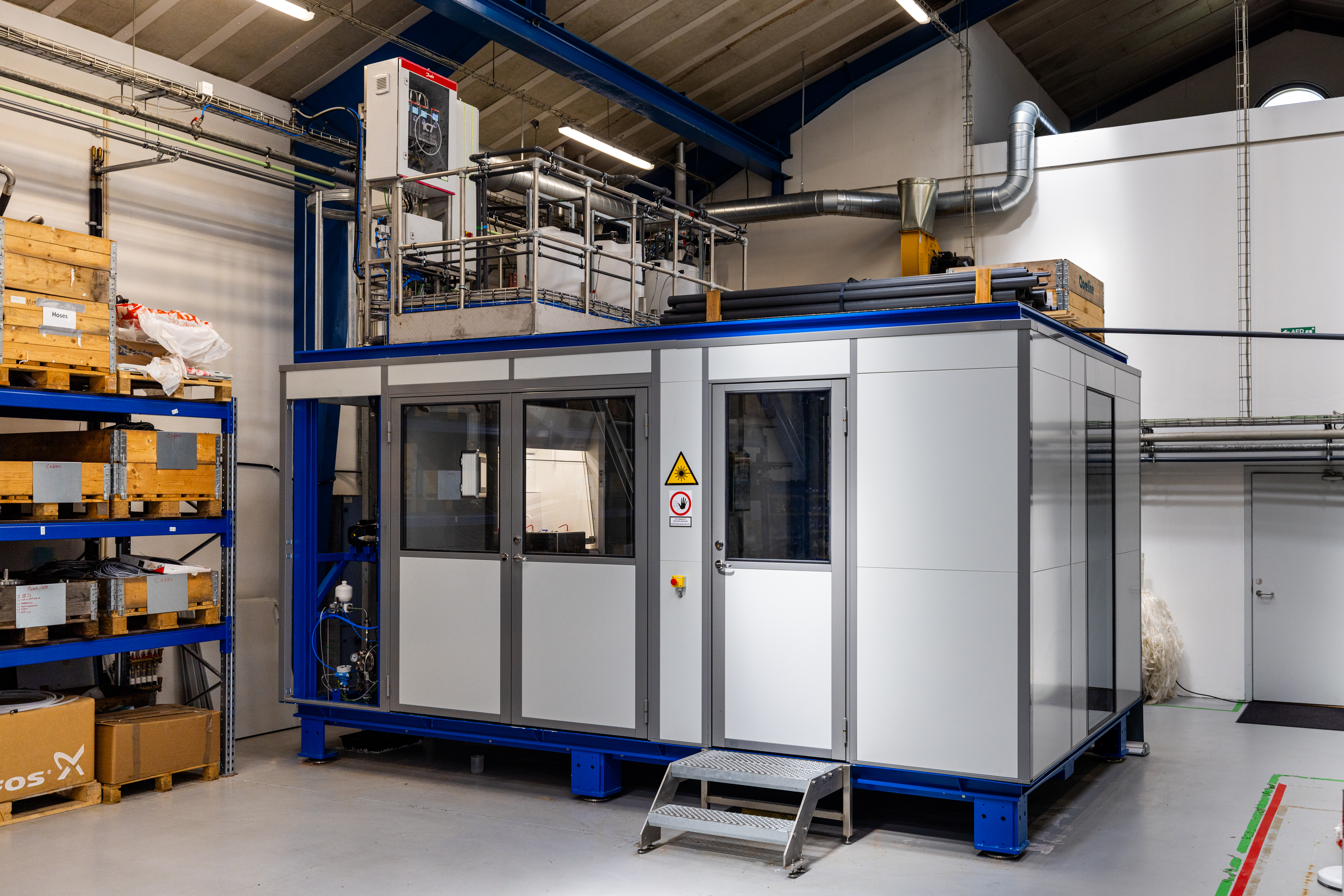
My third generation of a SaltPower system developing 10 kW of electric power.
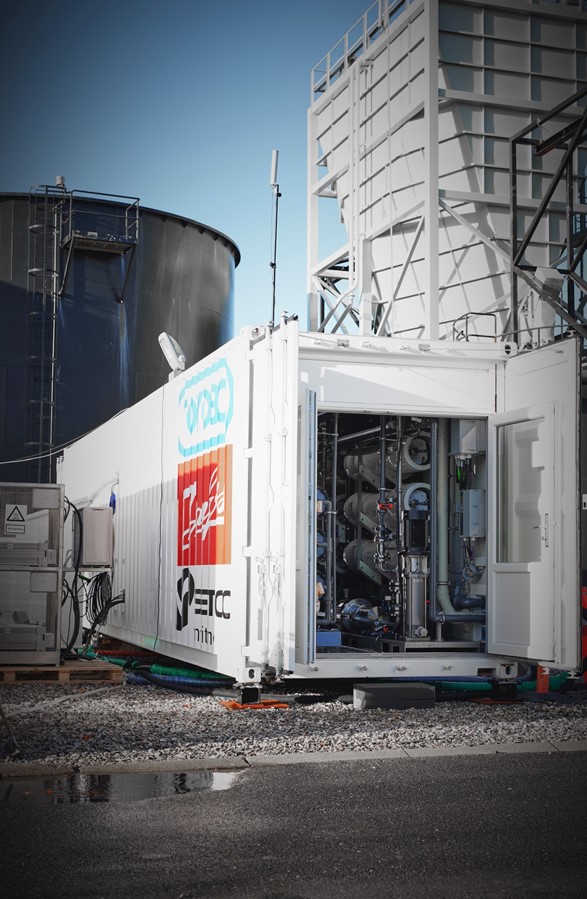
The system was located in a container at Nobian/Dansk Salt, a salt producing factory.
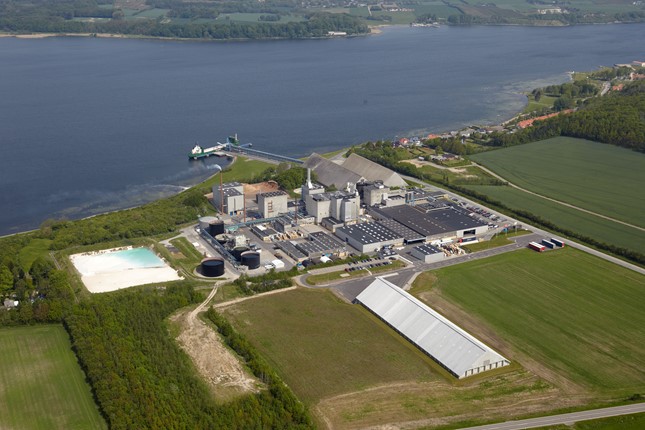
Nobian salt producing factory in Mariager, Denmark

Salt is the second most mined substance in the world after iron. It is used for a large variety of daily products and is indispensable for a modern society.
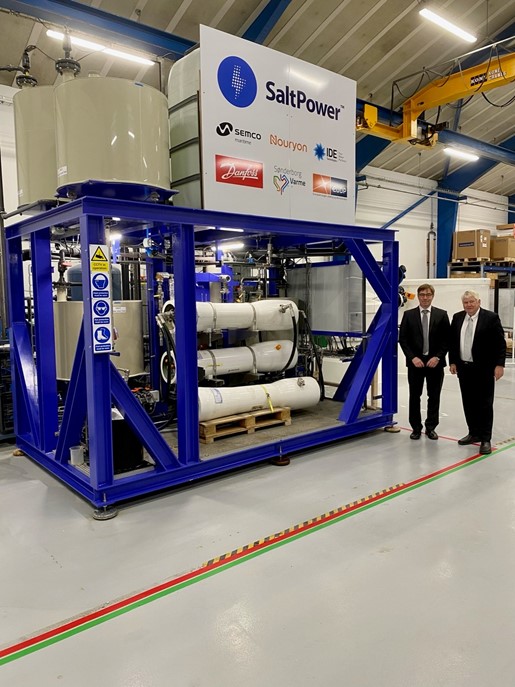
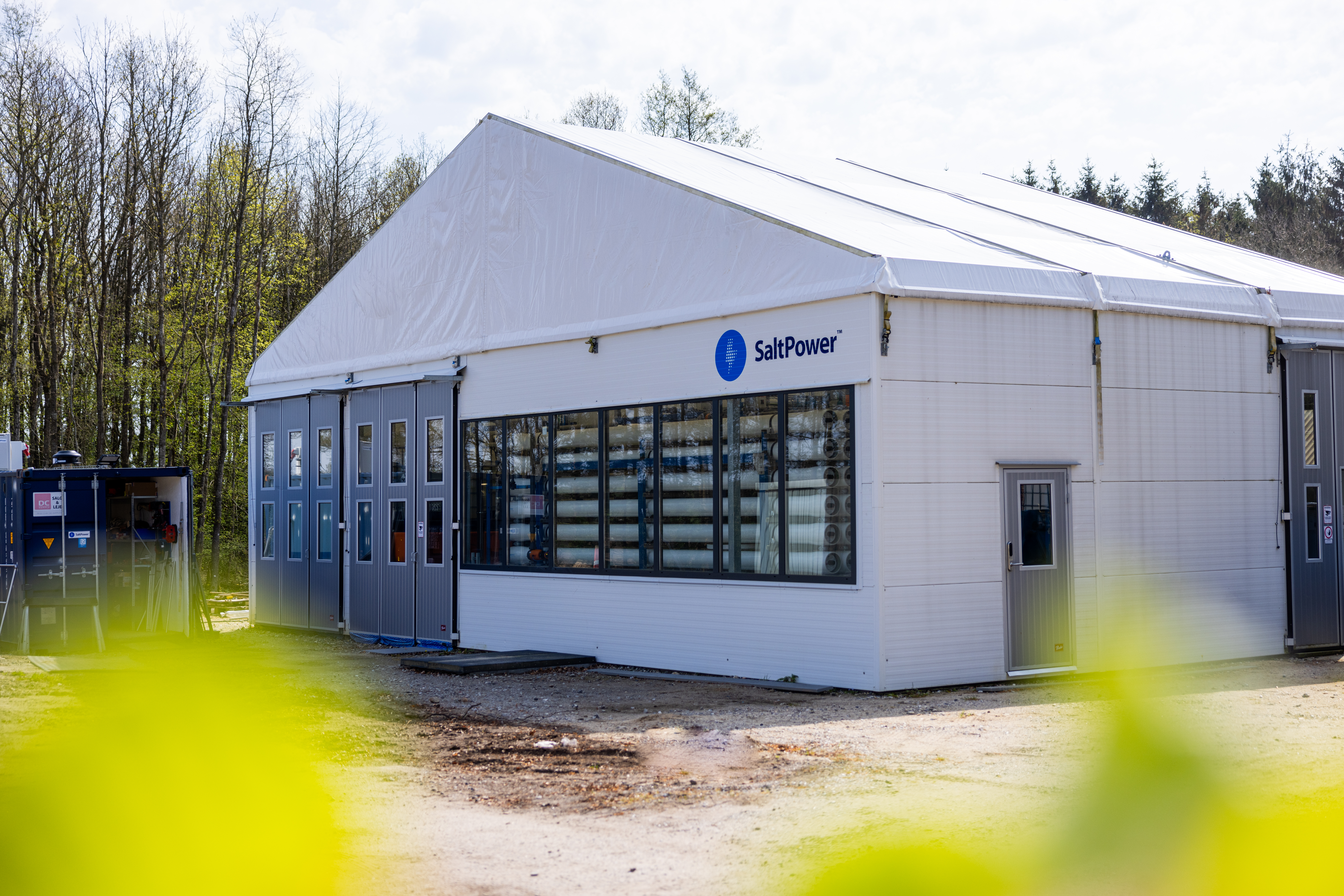
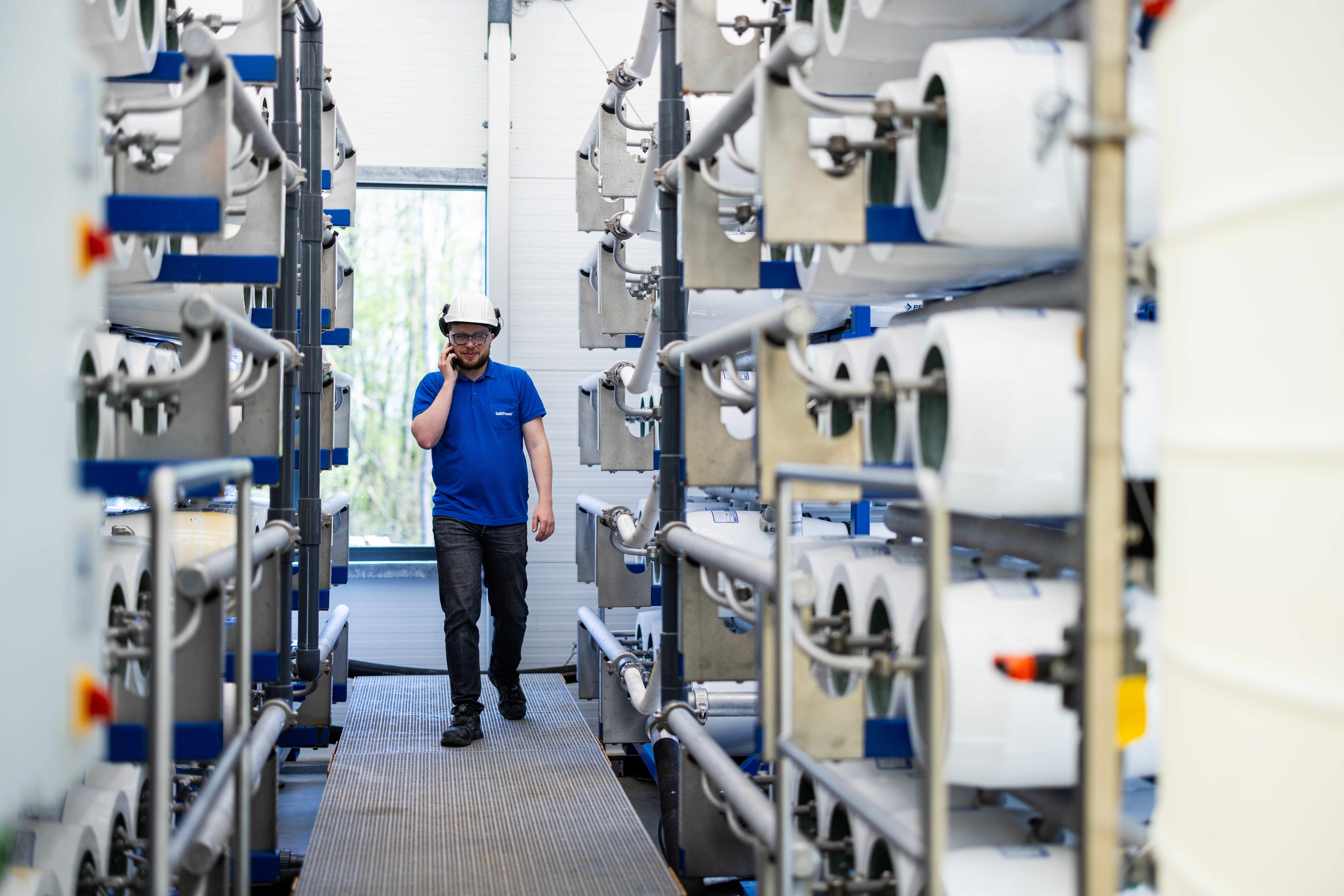
SaltPower has the only test facility to date for PRO membranes worldwide, partly financed by the Danish government.
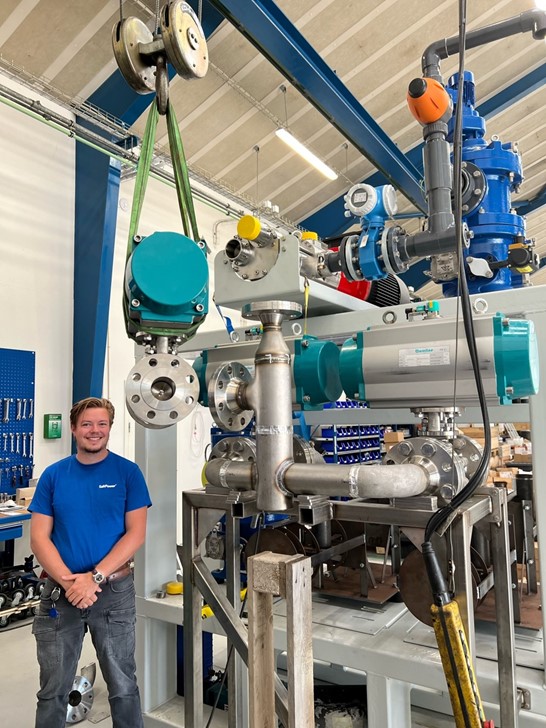
Part of the pump and generator module.
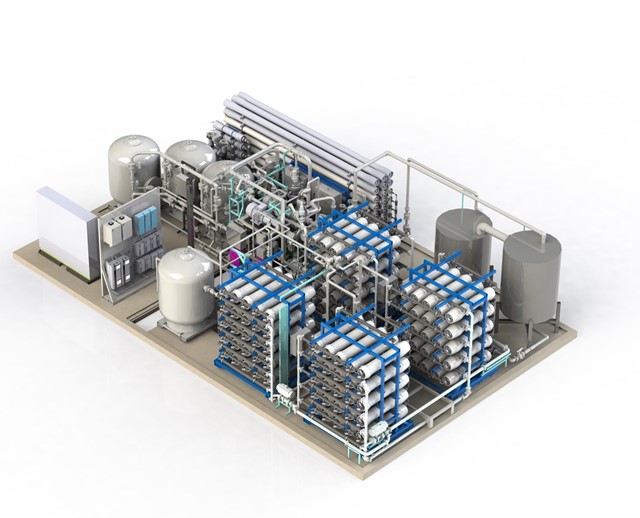
The SaltPower 100 kW module. My 4th generation system. To scale the system up is easy. Just add more membranes.
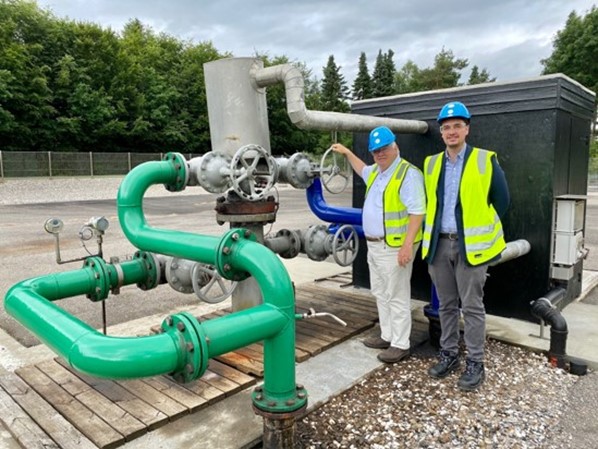
Wellhead for brine production. The saturated salt brine comes up from the cavern at this location.
A video explaining the formation of underground salt layers, using the Mediterranean as an example